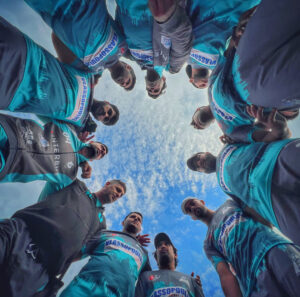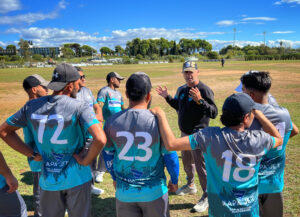
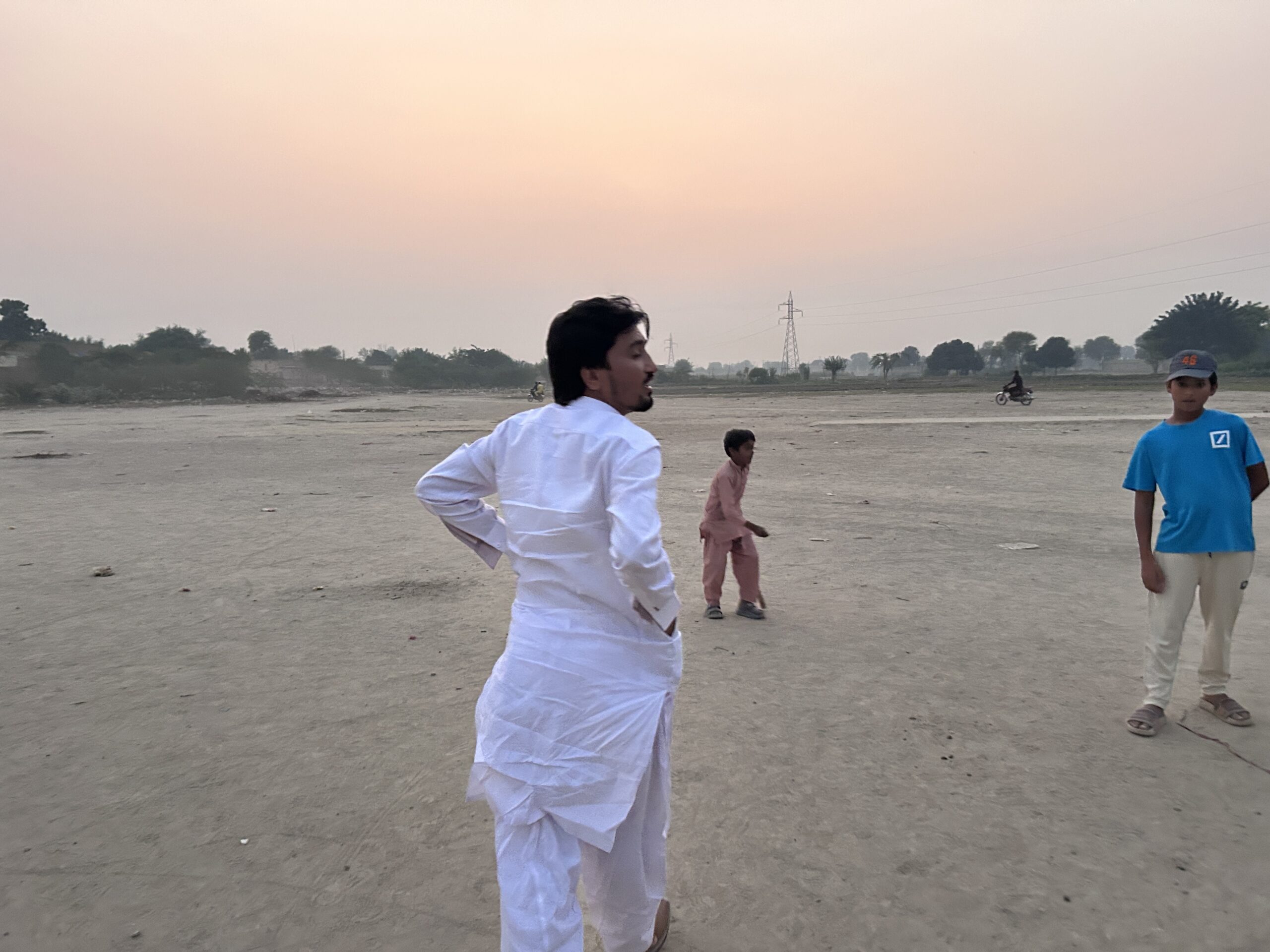

In Athens, a group of young migrant men from Pakistan, Afghanistan and Bangladesh gather every Sunday on makeshift pitches, turning cricket into a lifeline. Most live without papers, navigating police checks, exploitative work and the loneliness of exile. Their captain, Sajid, arrived alone at twelve. After years of rejected asylum claims, he dreams of representing Greece one day. Their coach, Vaios, a Greek-Australian cricket devotee, becomes mentor, advocate and surrogate family.
After a narrow defeat in the 2024 national final, the team trains on soccer fields in Athens, while balancing exhaustion, financial pressure and the psychological weight of living undocumented. When Sajid finally receives temporary residency, he returns to Pakistan for the first time in twelve years to get married. His homecoming becomes a deeply emotional counterpoint to the instability of life in Greece. Intercut with the cricket finals in Corfu, the film reveals an intimate world of resilience, identity and unexpected community, asking what it means to become a ‘champion’ in a country that does not yet officially recognise you.
DIRECTORS’ STATEMENT (AMIE AND HASHAM)
This film is not just about a sporting match. It’s about identity, friendship and the small communities people create when the world gives them none. When Amie first met with Sajid in Athens, he was bursting with energy, always talking about cricket. He kept pushing her to come to one of his practices, and when she did, and met his other teammates, she realised that cricket was more than just a sport for them, it was a means of survival, and a touchstone to life back home. Realizing she needed someone with a closer cultural backgorund and knowledge of the Pakistani film community as well as cricket, she reached out to Hasham Cheema, who came on board as co-director and is helping to shape the story, as well as work as the main editor. Through the special relationship between Sajid and his coach, Vaios, we aim to explore a changing Europe, shaped by unlikely but strong alliances between individuals united by a common passion. Vaios, like Sajid is a Greek immigrant from Australia, his sacrifice for the boys is intriguing to me, what drives him? A similar childhood of indignity and fear?
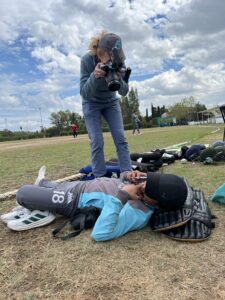
Through these characters, the film observes the emotional reality of undocumented life. Fear, exhaustion, longing, humour, the ache of separation from family and the small acts of dignity they fight to hold onto. The camera remains close and unobtrusive, embedded within the team’s everyday lives. Much of the film takes place in moments that might otherwise be overlooked, such as waiting for teammates to arrive, resting between shifts, sitting through delays and lingering after training. These pauses form the emotional terrain of the film.
Filmed over more than a year with deep access to their homes, workplaces and personal worlds, the film captures moments rarely seen on camera. It was important to us not to make a film about refugees as statistics, undergoing some kind of “crisis.” By focusing on their present—not their past journey and suffering—we aim to reveal their humanity, dignity, and hope. Cricket becomes a metaphor for belonging. Regardless of where we come from, we all play on the same field, chasing dreams and seeking connection.